Blog
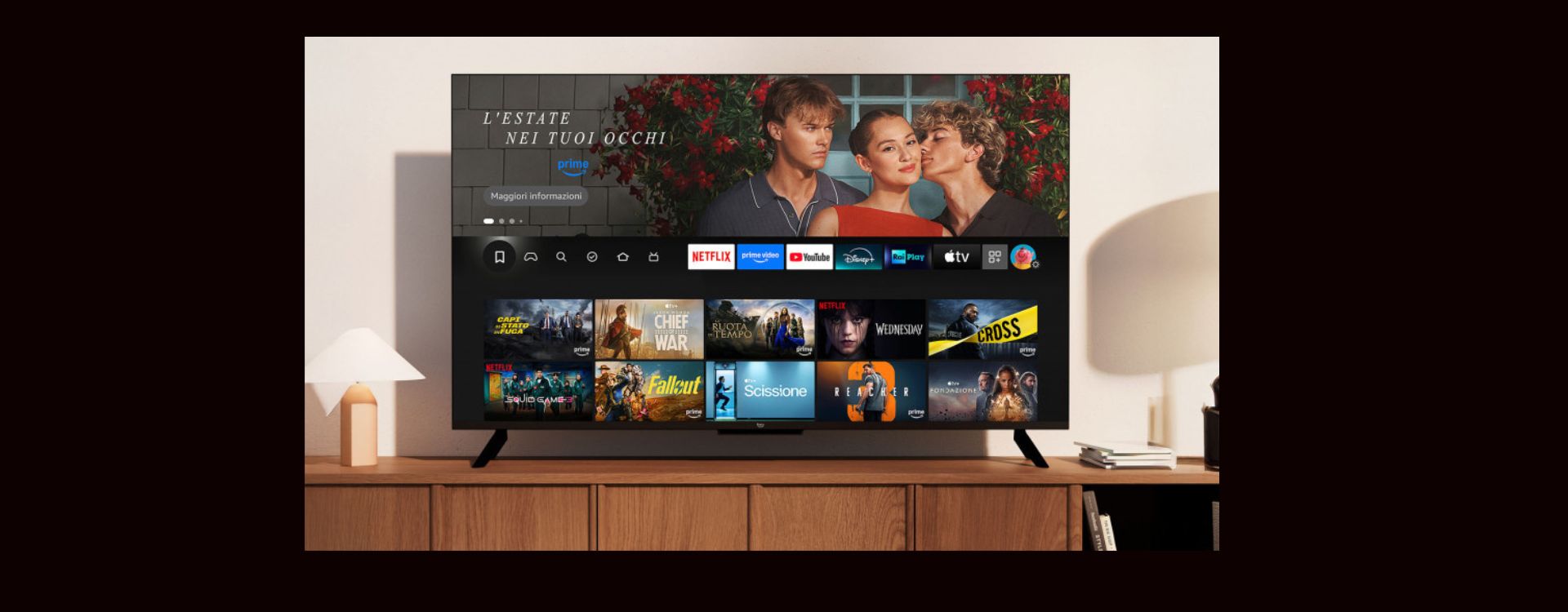
Published on 28/12/2025
Smart TVs, Android TV, Fire TV & Co. — Why Multiple Formats Are Needed Today
However, the current market is more complex:
Many TV models use proprietary or alternative operating systems: for example, Samsung (Tizen), LG (webOS), Hisense (VIDAA), Philips (Saphi/TitanOS), Panasonic (My Home Screen), etc.
Some brands — like certain Panasonic and Sony models — have stopped using Google TV / Android TV on all their TVs.
As a result, an app that wants to be truly present “on all Smart TVs” cannot rely solely on Android/Google: compatibility with other systems such as Fire TV is necessary.
In other words: having an Android TV app is not enough. You need support for Fire TV (or other OS/store equivalents) to reach the full market.
Why Some Manufacturers Choose Fire TV (or Other OS) Over Android/Google
These choices are often strategic, not just marketing-related:
Manufacturers certified for Android TV must comply with Google’s compatibility guidelines, which restrict modifications.
Many brands prefer proprietary systems or alternative platforms (Fire TV, VIDAA, webOS, Tizen, MyHomeScreen, etc.) for greater hardware integration freedom.
Fire TV (or Fire OS) is often “closed,” integrated with Amazon services (Alexa, Prime Video, smart home), making distribution and multiplatform app deployment easier.
In short, platform fragmentation is a reality, and OTT/FAST services must adapt.
Implications for App and Streaming Platform Developers
Don’t rely only on Android TV / Google TV: cover Fire TV, proprietary Smart TV OS, and set-top box apps.
- White-label & multiplatform: ideally, have a modular platform for multiple OS, centralized backend, and adaptable UI/UX.
- Compatibility and updates: some proprietary TVs have limited store access or infrequent updates — test continuously and provide fallback options.
- Maximum accessibility: reach both users with modern TVs and those with older or basic Smart TVs.
- Managing hybrid smart devices: apps must function across Fire TV, IoT integration, voice assistants, and various ecosystems.
Conclusion: Real-World Landscape Flexibility is Key
The Smart TV market is highly fragmented: there is no “universal system.”
Some brands focus on Android/Google, others on proprietary OS or Fire TV. To cover the entire market, a multi-OS, multi-device strategy is essential.
An OTT, streaming service, or FAST channel ignoring this fragmentation risks losing a significant portion of potential users.
In short: to “be everywhere,” Android TV alone is not enough — you need Fire TV, set-top boxes, alternative OS, and mid/low-range Smart TV support. Flexibility is essential for TV video distribution today.