Published on 13/12/2025
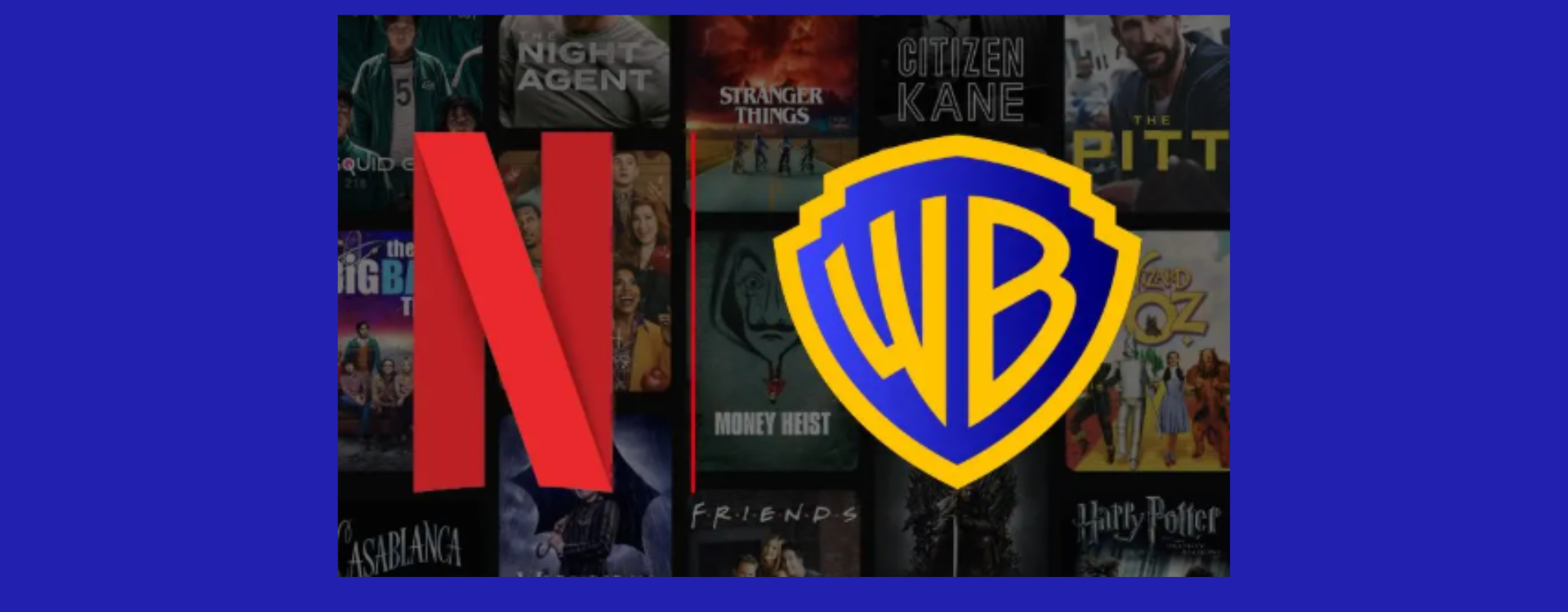
Netflix buys Warner Bros: what changes for the entertainment industry
The acquisition concerns production and streaming assets: films, TV series, legacy intellectual properties, content libraries, and all brands associated with Warner and HBO — but excludes linear cable networks, including channels like CNN. These will be spun off into a new standalone company called “Discovery Global.”
According to the terms of the agreement, every WBD shareholder will receive $23.25 in cash + $4.50 in Netflix shares for each share owned. The closing is expected within 12–18 months, once regulatory reviews are completed and the cable networks have been spun off.
What this deal implies
A massive catalog under one platform
The acquisition brings to Netflix an enormous portfolio of content: iconic films, hit TV series, globally valuable franchises, and historic intellectual properties. We’re talking about major brands like Harry Potter, DC Comics, and a vast mix of classic and contemporary blockbuster productions.
This means Netflix is dramatically strengthening its owned content, consolidating its dominant position in the streaming market — not just as a producer and distributor, but now as the direct owner of one of Hollywood’s richest content arsenals.
Regulatory risks and challenges
A transaction of this scale won’t go unnoticed. Observers — including U.S. antitrust regulators — are watching closely. The merger of a streaming giant with a historic Hollywood powerhouse raises serious concerns around competition, market control, and potential monopoly power.
In addition, much of the debt and financial burden to fund the acquisition falls on Netflix: pressure on the balance sheet and investor expectations may heavily influence the company’s future strategy.
Impact on theaters, broadcasters, and creatives
Movie theaters are nervous: integrating studios and streaming could shorten theatrical exclusivity windows, putting pressure on traditional cinema.
Major broadcasters and linear TV networks find themselves weakened: the WBD split removes a key player from the ecosystem, creating new power dynamics and rivalries.
Creators, writers, and independent producers face a turning point:
• on one side, a platform with unmatched distribution power;
• on the other, a higher concentration that may reduce diversity and limit access to prime distribution slots.
Possible future scenarios
1. A new global entertainment superpower
Netflix becomes the dominant hub, with control over production, distribution, and franchise management at global scale.
2. Restructuring of the broadcast/streaming market
Fewer competitors, more consolidation, potentially less diversity — but significantly higher bargaining power for Netflix.
3. Antitrust measures and forced divestitures
To secure approval, regulators may require asset sales, spin-offs, or structural changes to preserve competition.
4. Opportunities for niche and indie players
As major groups focus on restructuring, gaps may open for independent creators, specialized platforms, and alternative distribution models (FAST channels, vertical networks, local communities).